
Sawa Cookstoves Project
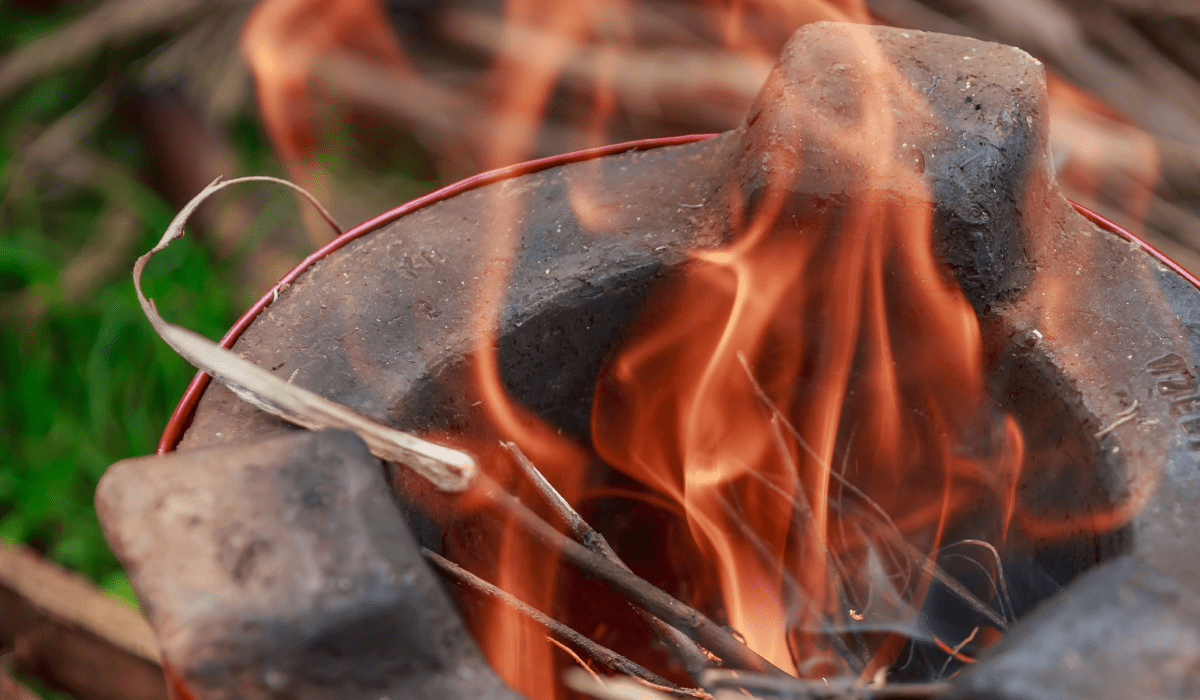
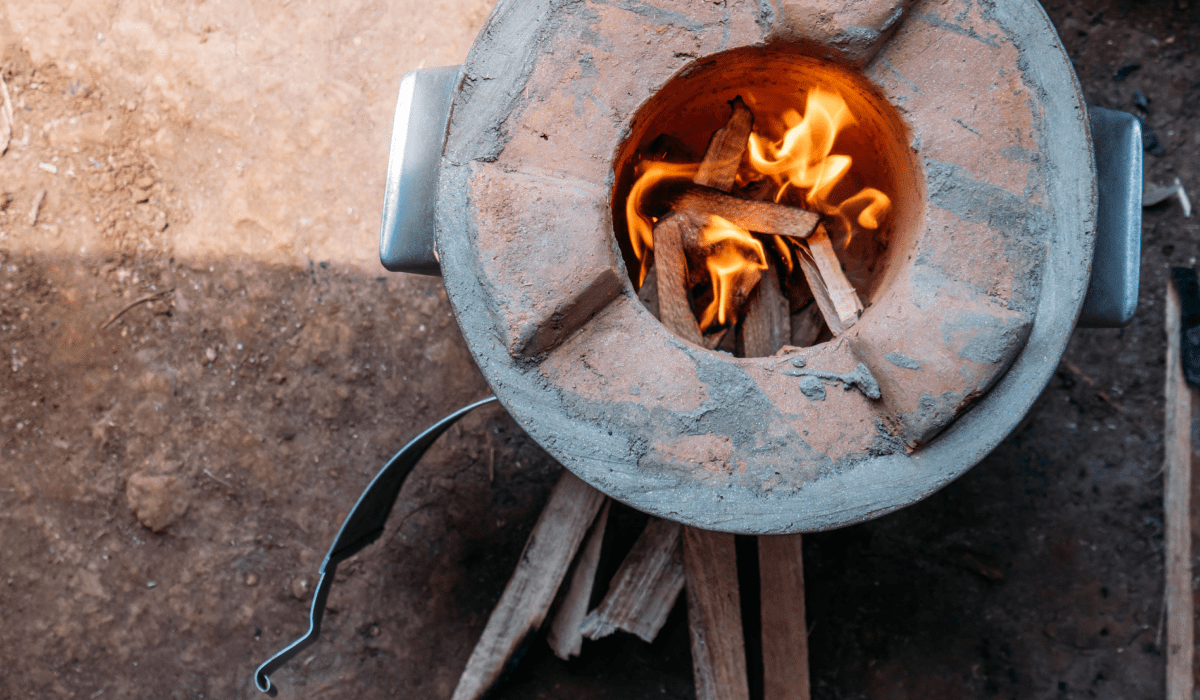
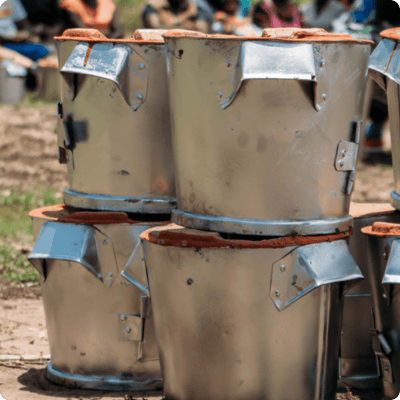
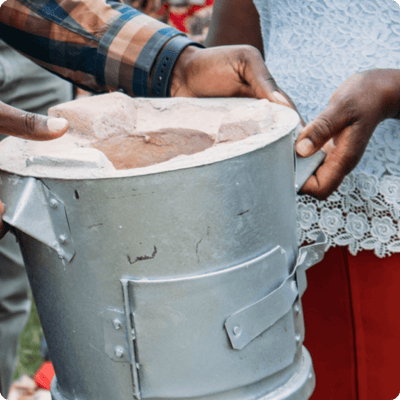
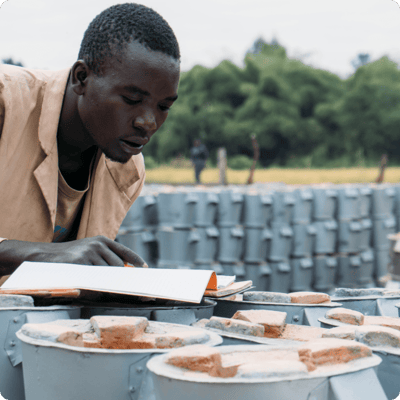
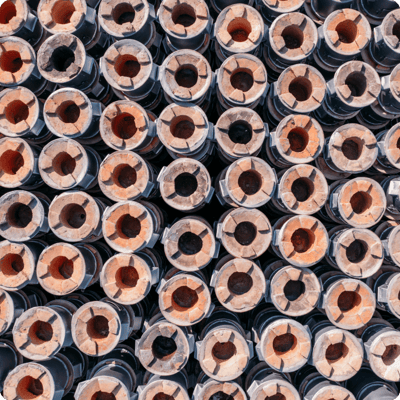
The Sawa Cookstoves Project is a sustainability initiative developed by Green Earth to address the issue of deforestation and carbon emissions in Cameroon's central region. The project aims to reduce deforestation by providing efficient, locally-manufactured cookstoves to the region's population.

Project category
Carbon project

Project type
Cookstoves

Project stage
Feasibility study

Country
Cameroon

Lifetime
7 years
2.4M
tonnes of CO₂
to be captured
150,000
cookstoves to be
distributed
150,000
households to be
positively impacted
Community benefits
The project will have a profound positive impact on local communities. The negative health impacts of cooking with wood or charcoal disproportionately affecting women and children are felt by millions globally. Household air pollution from these practices causing respiratory diseases results in a premature mortality rate of an estimated four million people annually. The efficient cookstoves decrease the amount of firewood needed, decreasing the negative health impacts on families. It also saves time and disposable income for local communities, as they no longer have to spend as much time and resources gathering firewood. The stoves are also locally made, offering many job opportunities and ensuring they suit the local communities’ needs.

Environmental benefits
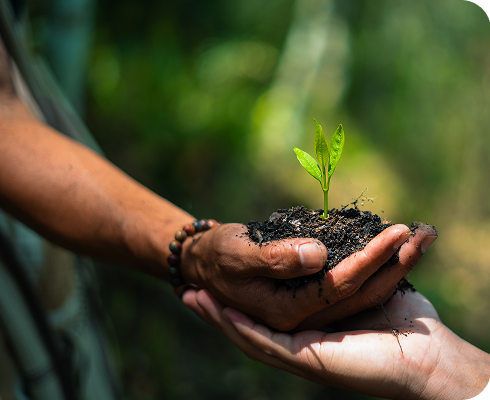
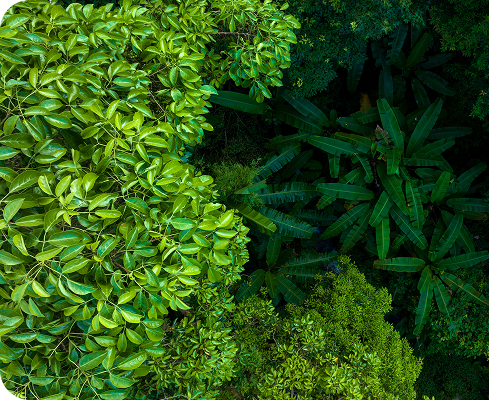
The project is further designed to have a positive impact on the environment and address deforestation. The cookstoves are highly efficient, significantly reducing the need for firewood and thus decreasing the pressure on natural resources and forests. Additionally, the project supports afforestation efforts, improving overall sustainability in the region, preserving biodiversity, and protecting the ecosystem services the forests provide.
Images gallery

Build your custom impact portfolio
Connect with our experts to curate a tailored portfolio of verified projects, or to discuss larger purchases.
We'll guide you through our verified projects and can source specialised credits from our wider global network to help maximise your environmental impact.