
Net zero
Investment
Renewable energy
Governments
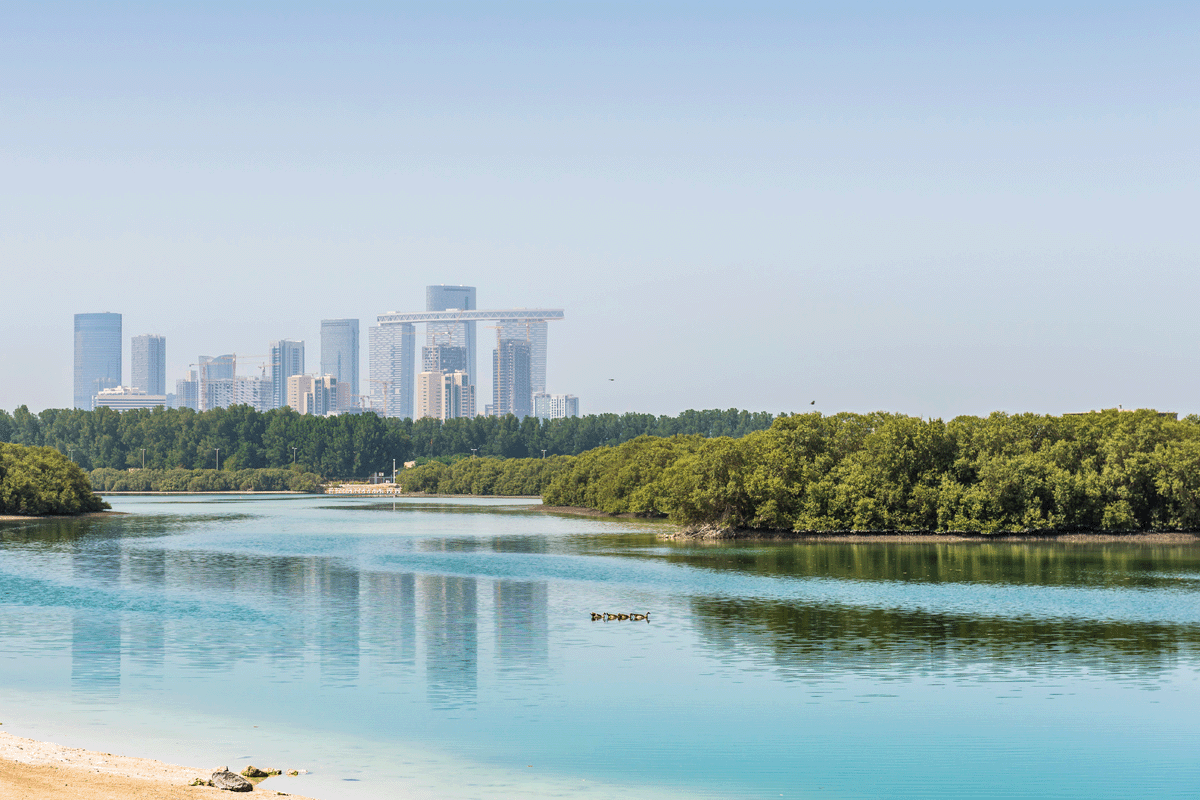
Abu Dhabi National Oil Company (ADNOC) is investing $15 billion in various low-carbon projects to reduce emissions and meet decarbonisation goals. The UAE-based oil and gas company plans to allocate the funds across its diversified value chain by the end of the decade in a bid to cut carbon emissions intensity by 25% by 2030. This move strengthens ADNOC's position as one of the least carbon-intensive oil and gas companies globally, with one of the lowest methane intensities at 0.01%.
The company's investment includes the deployment of carbon capture and storage (CCS) technologies, new and cleaner energy solutions such as hydrogen and renewables, and measures to build on its policy of zero routine gas flaring. ADNOC also plans to strengthen international partnerships to help achieve its goals.
ADNOC's decarbonisation goals build on its strong track record as a leading lower-carbon intensity energy producer. This includes its use of zero-carbon grid power, commitment to zero flaring as part of routine operations, and the deployment of the UAE's first carbon capture project at scale: Al Reyadah.
Low Carbon Solutions and International Growth
In December 2020, ADNOC established a new business called ‘Low Carbon Solutions & International Growth’ to focus on CCS, renewables, and clean hydrogen, in line with its goal to reach scope 1 and 2 net-zero emissions by 2050.
With ADNOC's planned expansion of its CCS capacity to 5 million tonnes per annum by 2030, the UAE will be established as a worldwide hub for carbon capture expertise and innovation, representing over a 500% increase in its carbon capture capacity. This expansion aims to support the scale-up of hydrogen and lower-carbon ammonia production in Abu Dhabi, with plans to scale blue ammonia production capacity to 1 million tonnes per year at its Taziz facility. ADNOC has already delivered test cargoes of low-carbon ammonia to Europe and Asia.