
Carbon credits
Africa
Cookstoves
Rwanda
Article 6
Base Carbon Inc, through its subsidiary Base Carbon Capital Partners Corp, has successfully obtained 717,558 carbon credits from its Rwanda cookstoves initiative. This batch of credits, certified by Verra with an ‘Article 6 Authorised’ label—a first in the industry— signifies the project's shift from development to active carbon credit generation.
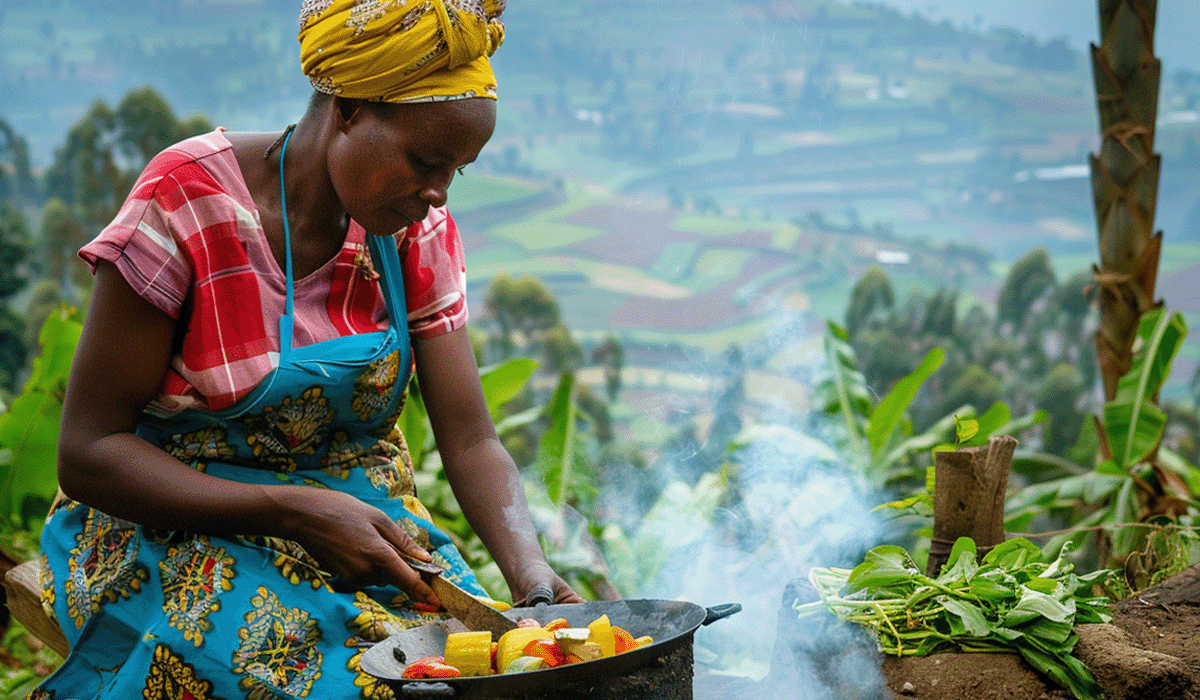
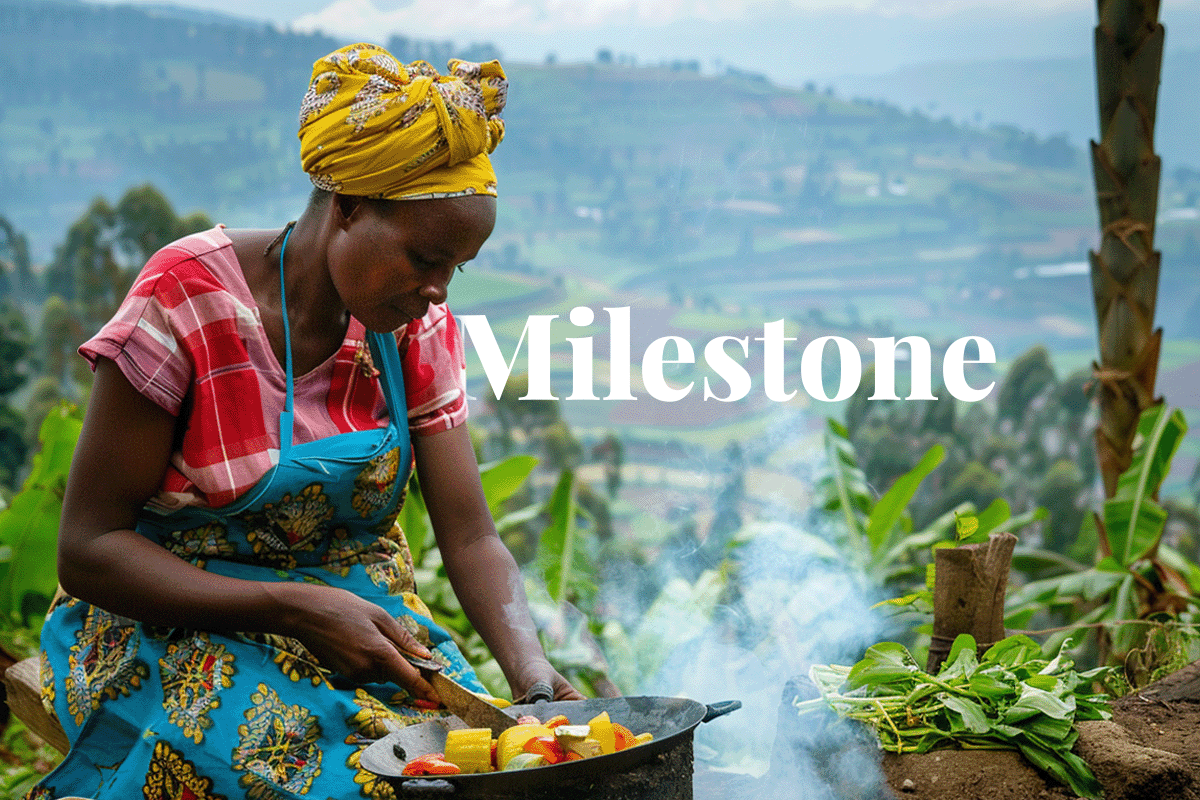 African woman preparing a meal using an energy efficient cookstove, Rwanda landscape in the background. AI generated picture.
This landmark achievement reflects Base Carbon's role in financing carbon removal and abatement projects globally. By providing the necessary capital and resources, it aims to enhance efficiency, credibility, and transparency in the evolving environmental markets.
Last November, the Supervisory Body of the Paris Agreement’s Article 6 outlined new methodologies for carbon reduction projects, ensuring the integrity and ambition of global emission reduction efforts. These methodologies are crucial in maintaining the credibility of carbon credits and promoting higher environmental standards.
Read more: Groundbreaking: SBTi includes Scope 3 emissions in environmental certificates
The Rwanda cookstoves project, developed by the DelAgua Group, received a Letter of Authorization from the Rwandan government in December 2023, enabling Verra to assign the Article 6 Authorised label. This label is a significant step, as it is the first time Verra has recognised a carbon project under its Verified Carbon Standard Program in this manner.
A portion of the credits will be immediately retired to offset global emissions, while another share will support Rwanda’s emission reduction targets. The remaining revenues will benefit the United Nations’ Global Adaptation Fund.
Read more: The new milestones unveiled for DGB’s Ethiopia Cookstoves Project
DelAgua’s initiative distributes fuel-efficient cookstoves to households, replacing traditional, less efficient stoves. This switch significantly reduces health risks from smoke and lowers carbon emissions. Over its first seven-year crediting period, the project is projected to cut emissions substantially.
As Base Carbon explores sales options for the initial carbon credits, this initiative marks a pivotal advancement in leveraging carbon markets for environmental improvement and sustainable development.
Nature-based solutions (NBS) go beyond simply tackling carbon emissions; they embody a comprehensive approach to sustainability. The beneficial outcomes of DGB Group’s NBS highlight the profound impact that nature-oriented projects can have. Our initiatives include reforestation, afforestation, and the introduction of energy-efficient cookstoves. We collaborate extensively with local communities, government bodies, and other key stakeholders to ensure that our projects are socially and environmentally conscientious, delivering real advantages to both the communities and the ecosystems involved. Furthermore, all our projects undergo rigorous verification by top certification standards like Verra, confirming their effectiveness and positive impact.