
Carbon credits
Carbon markets
Governments
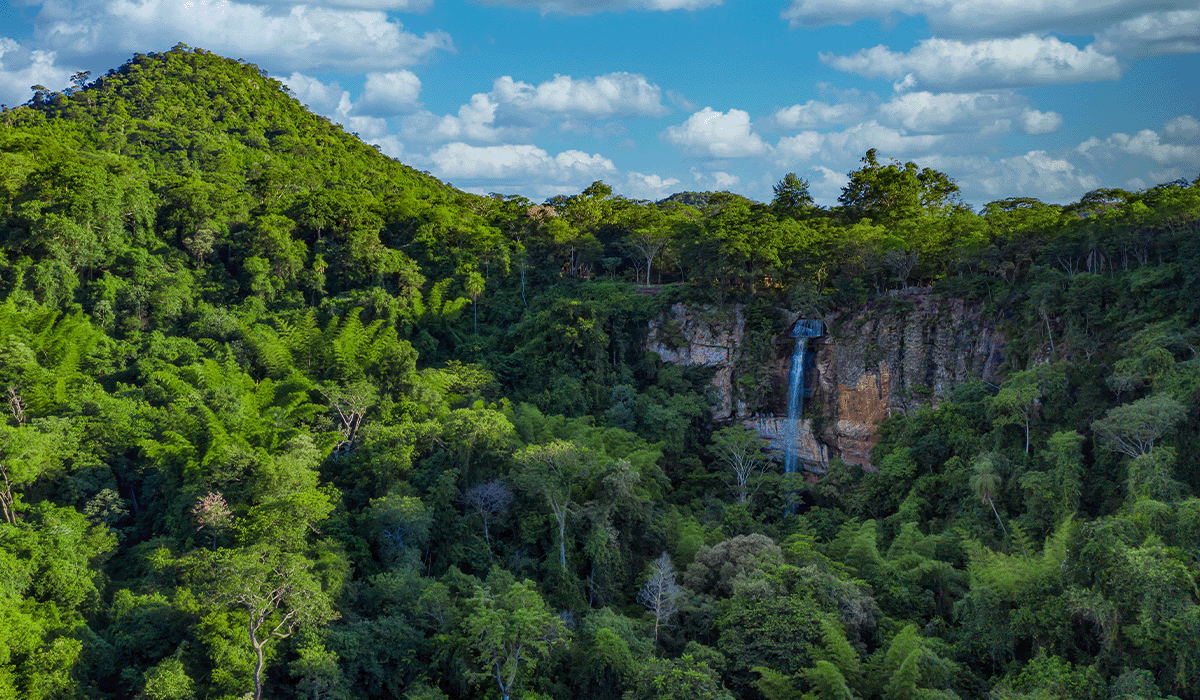
Paraguay has taken a significant step towards regulating carbon credits as its lower house approved a pioneering bill that aims to establish a comprehensive framework for the ownership and commercialisation of credits generated by projects executed either by national or foreign entities, provided they meet the labour participation requirement. The bill, now awaiting final approval, stipulates that projects must involve a workforce comprising at least 35% Paraguayan labour.
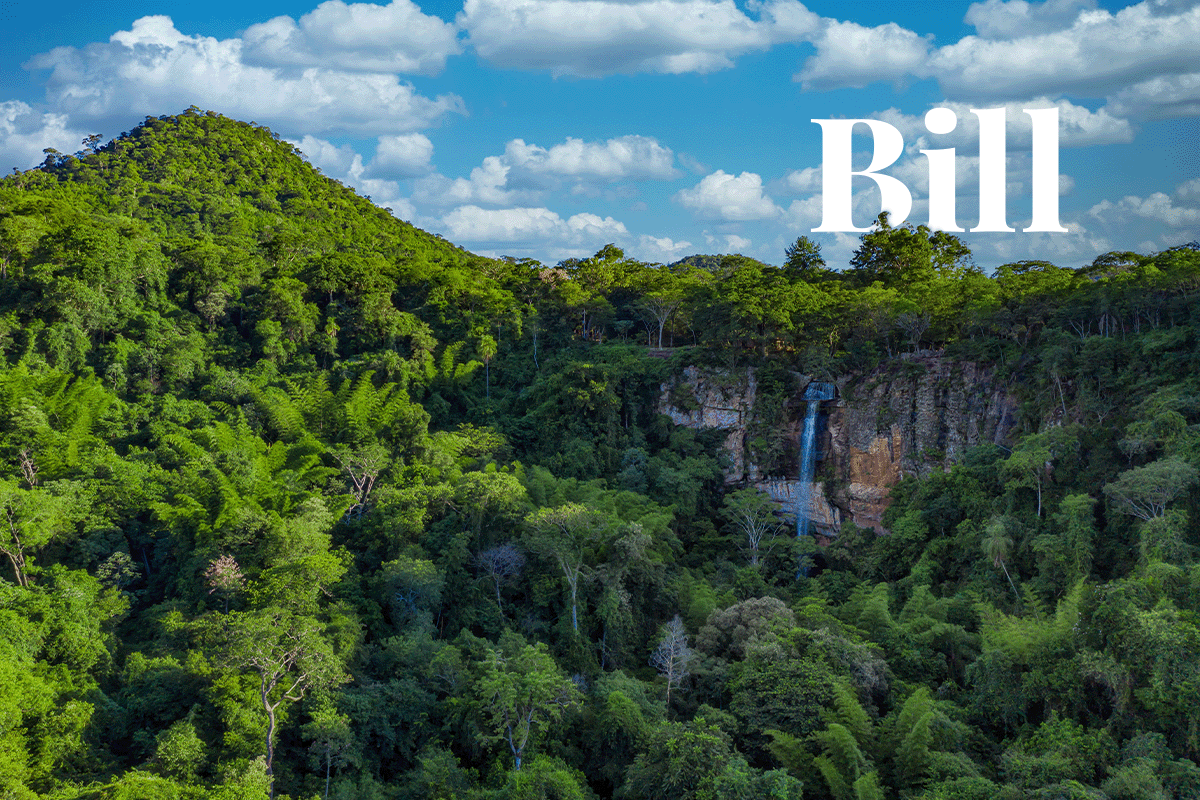 Aerial view of the Salto Suizo waterfall, Paraguay.
President Santiago Peña, a strong supporter of the bill, has tasked the Ministry of Environment with overseeing the regulatory framework and monitoring both domestic and foreign-acquired carbon credits. The legislation, officially named the ‘Carbon Credits Bill’, lays the foundation for certifying carbon capture and facilitating its trade in international markets.
Read more: How are carbon credits issued?
The bill originated in the Chamber of Senators and has received wide support, as it is expected to encourage both public and private sector involvement in mitigating emissions. The Ministry of Environment and Sustainable Development will serve as the enforcing authority, maintaining records of domestic and international carbon credits.
Read more: Dubai company strikes $1.5 billion credits deal with Zimbabwe
President Peña, speaking at the Columbia World Leaders Forum in New York, highlighted the bill's potential to bridge compensation gaps for emissions and secure funding for Paraguay's natural resources. In the coming months, he plans to showcase environmental investment opportunities in Washington with Minister of Environment Rolando de Barros and present significant changes in carbon markets at the UN Climate Change Conference, COP28, in the United Arab Emirates.
DGB Group's commitment to nature-based initiatives brings forth a myriad of benefits, not only for the environment but also for the communities it engages with. These initiatives encompass the rejuvenation of biodiversity, the safeguarding of ecosystems, and the provision of valuable resources. By restoring degraded lands, promoting biodiversity, creating essential habitats, and empowering local communities through initiatives such as reforestation, energy-efficient cookstoves, and comprehensive training programmes, DGB is creating a more sustainable and eco-conscious future. In this vision, nature and sustainability coexist harmoniously, fostering a thriving environment for all.