
Farming
European Union
Carbon farming
Sustainable Agriculture
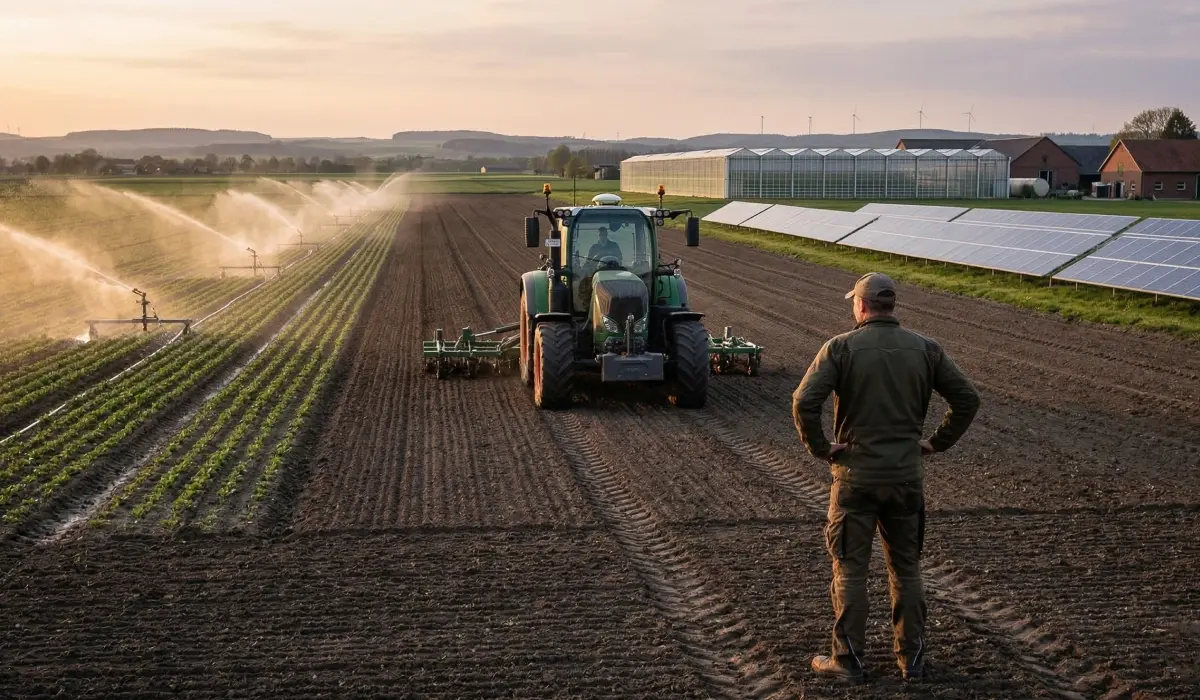
Europe's independent environmental science advisers have called for the EU to begin preparations to include agriculture in its emissions trading framework without further delay. The European Scientific Advisory Board on Climate Change, the bloc's principal scientific authority on these matters, set out a pathway for integrating agricultural emissions into existing regulatory structures, despite acknowledged administrative and economic complexities.
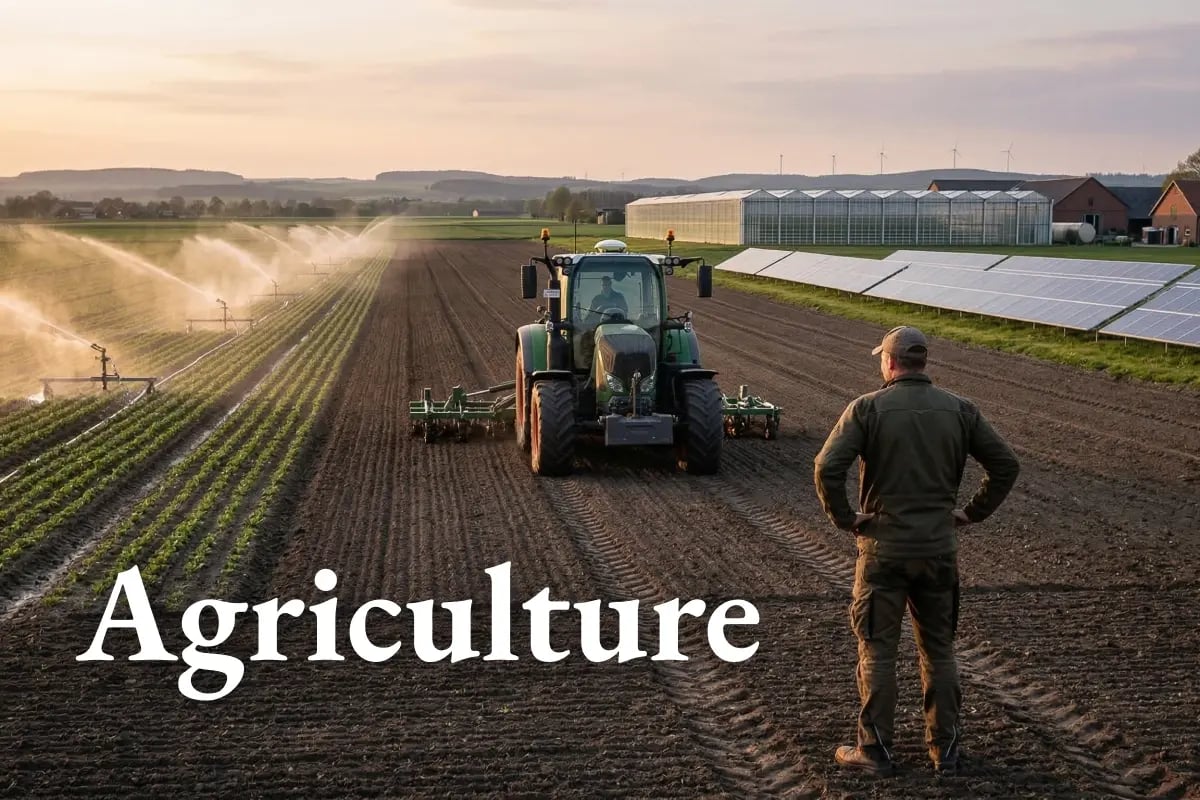 A farmer in the EU using advanced machinery and renewable energy, shaping food production for the carbon emissions trading system. AI generated picture.
The opportunity lies in the scheduled 2026 revision of the EU Emissions Trading System (ETS) Directive. 'The scheduled 2026 revision of the EU ETS Directive … presents a critical opportunity to incorporate agricultural fossil fuel emissions into the existing regulatory framework,' the board stated in its findings.
The focus would begin with on-farm energy consumption. CO2 produced from machinery, heating and irrigation systems would eventually fall under the new ETS2 framework, the carbon market designed to cover road transport and building heating from 2028 onwards.
However, this regulatory expansion faces real headwinds. EU leaders have already delayed ETS2's launch by a year, citing concerns over energy costs and global competitiveness. Some member states have called for reviewing the existing 21-year-old ETS itself—signals of reluctance to expand pricing obligations.
The scientific board recognised these challenges while emphasising the urgency. 'Undue delays to extend the ETS to some emitters in the agriculture sector must be avoided due to the pressing nature of the environmental crisis,' it stated.
Read more: A new frontier for forest carbon: Verra targets degradation
The sheer scope presents a genuine administrative obstacle. Within the EU over nine million farms are operating. By comparison, the current ETS covers roughly 9,000 installations, with around 11,000 entities expected under ETS2. A uniform pricing system across all farms would represent an unprecedented expansion.
The board advocated for a phased rollout to address this. A second stage could introduce separate pricing for non-CO2 agricultural emissions—methane from livestock and nitrous oxide from fertilisers—focused initially on larger operations, fertiliser manufacturers, and meat and dairy processors. This targeted approach would distribute implementation burdens while capturing emissions across the value chain.
Economic impacts deserve careful consideration. One modelled scenario suggested that carbon pricing at €245 per tonne would raise beef prices by approximately 40% and dairy products by 15–20%. 'These challenges may limit its practical feasibility and public acceptance and must be carefully considered in the design and evaluation of such a scheme,' the scientists noted.
The advisory board also called for strengthening the EU's Carbon Removals and Carbon Farming regulation, integrating livestock emissions into its methodology as planned.
The upcoming 2026 revision represents a critical moment for whether the EU pursues this more comprehensive approach to agricultural emissions or maintains the current exemption. The scientific case for action is clear; the implementation roadmap is now in place.
Read more: The hidden strength of nature-based credits in corporate decarbonisation strategies
As agricultural carbon pricing frameworks evolve, nature-based solutions become essential—addressing emissions across landscapes whilst creating measurable environmental benefits that pricing alone cannot deliver. At Green Earth, we develop high-integrity nature-based solutions built on transparent methodologies, robust science, and measurable impact. Our projects strengthen ecosystems, enhance biodiversity, and deliver verified carbon credits with tangible benefits for local communities. Learn more about how nature-based solutions complement carbon frameworks and support genuine environmental restoration.