
Biodiversity
Nature conservation
Kenya
Biodiversity credits
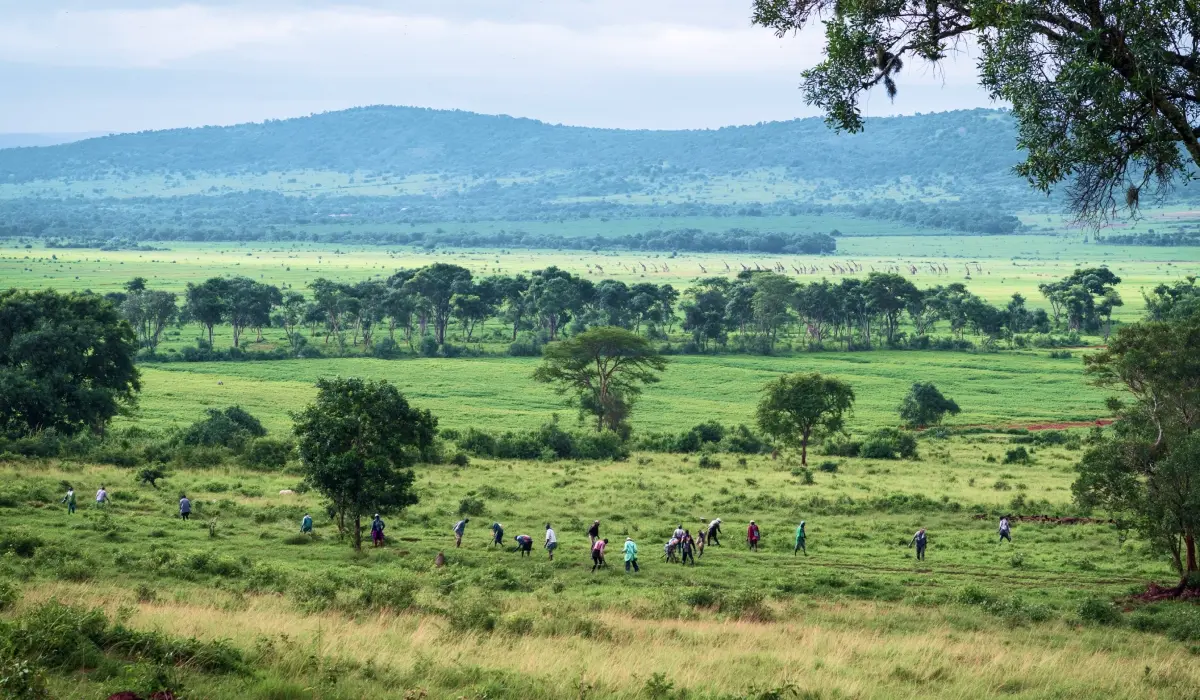
Kenya has launched the Biodiversity Finance Initiative (BIOFIN) in partnership with the United Nations Development Programme (UNDP), positioning the country's natural ecosystems as productive economic assets rather than environmental liabilities.
The initiative, announced in Nairobi last week, will deliver Kenya's first comprehensive Biodiversity Finance Plan. The plan will map existing financing gaps, track current funding flows, and identify scalable opportunities for private and public investment in nature.
The move is grounded in economic data: approximately 48% of Kenya's gross domestic product (GDP) is generated by nature-dependent sectors, including agriculture, tourism, energy, and water systems. The National Treasury has framed the initiative as a step towards a ‘nature-positive’ growth model, aligning fiscal policy with private investment strategies and regulatory direction. 'Biodiversity is not just an environmental priority; it is an economic imperative,' the Treasury noted.
UNDP Resident Representative Dr Jean-Luc Stalon echoed the urgency at the launch, pointing to the need to quantify what meeting biodiversity targets will cost, assess where funding currently stands, and identify practical mechanisms to close the gap.
'Biodiversity finance is no longer a niche conservation issue. It is central to economic stability, investment planning, and long-term growth,' Stalon said.
Kenya joins over 41 countries currently implementing BIOFIN, a cohort that has collectively mobilised more than $2.7 billion for biodiversity-related investments to date. Treasury officials acknowledged that public funding alone will not be sufficient, and the strategy is designed to catalyse instruments such as green and blue bonds, biodiversity credits, and sustainability-linked lending—areas drawing growing interest from institutional investors with environmental, social, and governance (ESG) mandates.
Read more: Compliance and quality redefine carbon credit supply in Q1 2026
Kenya's energy profile strengthens its position. With over 91% of electricity sourced from renewable generation, including geothermal, wind, solar, and hydro, the country offers a compelling case for environmental and biodiversity finance inflows as global sustainability standards tighten.
At the policy level, the government is working to integrate natural capital accounting into national economic planning, ensuring ecosystems are formally reflected in budgeting and investment decisions. BIOFIN will sit alongside existing programmes, including the Financing Locally-Led Climate Action (FLLoCA) initiative.
'It offers a clear pathway to integrate biodiversity into planning, budgeting, and investment decisions while mobilising new sources of finance,' said Festus Ng'eno, Environment Principal Secretary.
Officials warned that the cost of inaction is already visible, with biodiversity loss contributing to reduced agricultural productivity and growing exposure to environmental shocks.
Read more: Indigenous and local knowledge in carbon projects: why it defines credit quality
As governments integrate natural capital into fiscal planning and institutional investors move to price biodiversity risk into their portfolios, the demand for nature-based assets with verifiable, traceable outcomes is set to grow. Green Earth develops nature-based carbon projects built to meet exactly that standard: rigorous methodology, independent verification, and full traceability from ecosystem to certificate.
For businesses looking to achieve their sustainability goals with credits that carry both environmental credibility and long-term value, our portfolio, including projects across Kenya, offers measurable outcomes backed by some of the most demanding quality benchmarks in the market.