
Biodiversity
Nature conservation
Ecosystem
A study published in Communications Earth & Environment on 18 March 2026 has offered the first detailed assessment of how beavers influence carbon dynamics in the landscapes they inhabit. The findings add a new dimension to the science of nature-based carbon storage, one driven not by human design, but by animal behaviour.
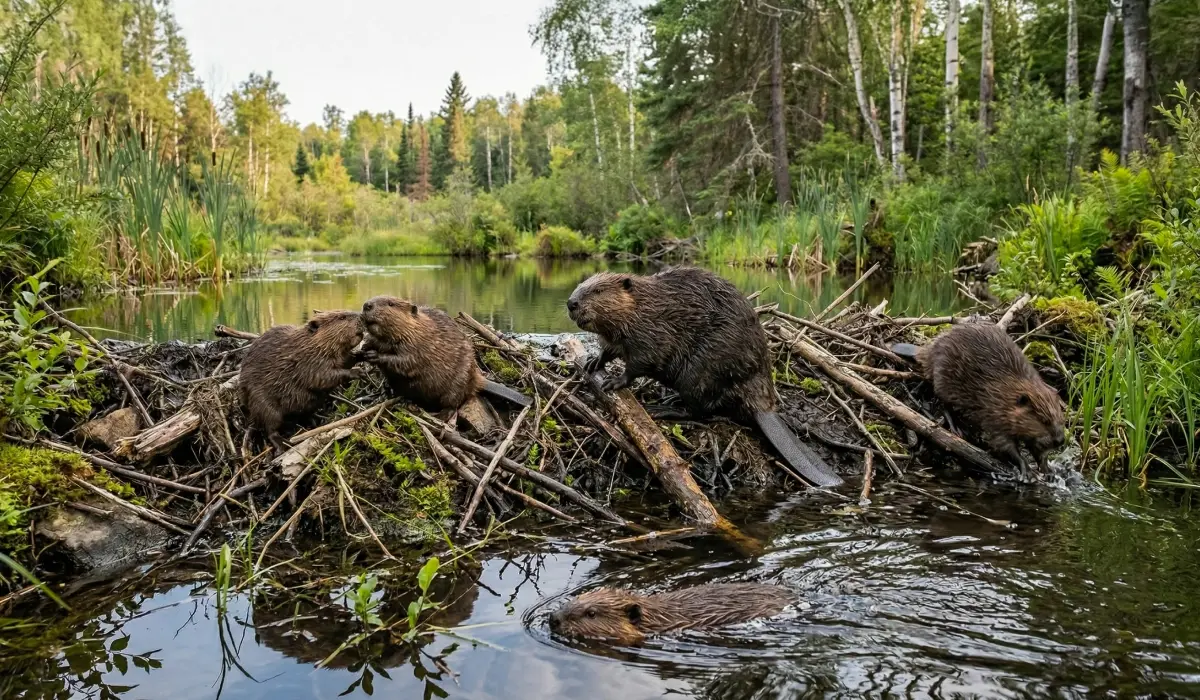
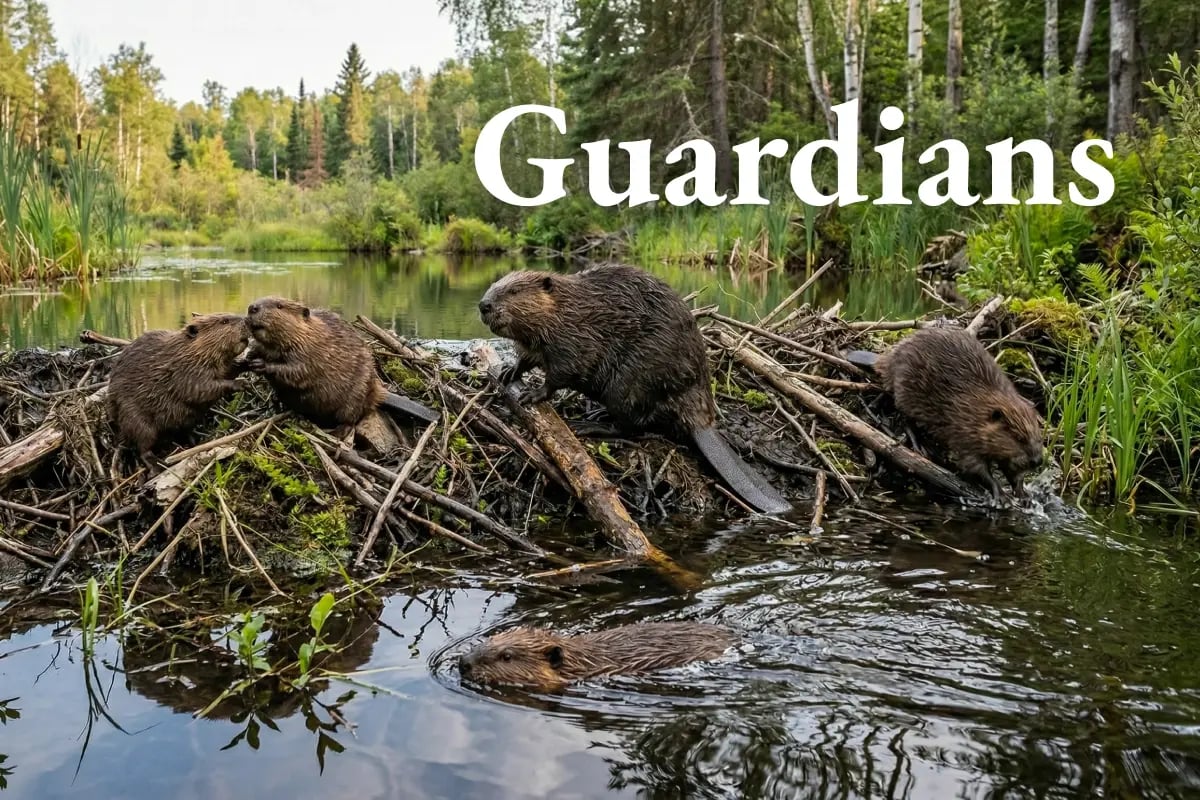 Beavers actively shape wetlands, creating natural carbon sinks while supporting biodiversity. AI generated picture.
When beavers build dams, they do more than redirect water. They slow the stream flow, expand the surrounding wetland area, and trap organic material carried by the current. Over time, these conditions favour the accumulation of carbon in soils and sediments, effectively converting modified stream systems into carbon sinks.
The research centred on a stream system in northern Switzerland that has been shaped by beaver activity for more than a decade. Modelling the potential replication of this activity across suitable Swiss habitats, scientists estimated that beaver-modified wetlands could offset between 1.2% and 1.8% of the country's annual carbon output, a figure that exceeded the researchers' own projections.
The study found that environmental conditions play a significant role in determining outcomes. Wetter systems consistently function as stronger carbon sinks, with drier conditions reducing the effect and, in some cases, reversing it.
What sets beavers apart from most carbon sequestration pathways is the mechanism itself. Carbon storage driven by plant growth is well documented; beavers, by contrast, physically reconfigure entire ecosystems. The wetlands they create enable carbon accumulation at a landscape level with no human infrastructure required.
Read more: SBTi updates FLAG guidance to strengthen no-deforestation commitments
Researchers classify beavers as 'ecosystem engineers'—organisms that alter their surroundings in ways that support broader ecological resilience. Their resurgence across Europe, following sustained conservation efforts over several decades, presents a growing opportunity to study and potentially leverage these processes at scale.
Forests and peatlands remain the dominant natural carbon sinks. This study, however, demonstrates that animal-driven landscape transformation can meaningfully complement existing approaches at low cost and without intervention.
Read more: Agroforestry explained: a guide to regenerative farming
At Green Earth, we develop and manage nature-based projects that harness the full capacity of natural ecosystems to store carbon and support biodiversity. From reforestation to agroforestry, our portfolio of verified projects demonstrates that working with nature—not around it—delivers long-lasting results.