
Nature conservation
Carbon markets
Voluntary Carbon Market
Carbon units
Carbon trading
As 2025 draws to a close, the voluntary carbon market is entering a more defined and deliberate phase of development. After years of rapid expansion, the market has become more discerning, placing greater value on credibility, long-term impact, and clearly measurable outcomes. This shift reflects growing sophistication among buyers and a clearer understanding of what high-quality carbon credits are meant to deliver.
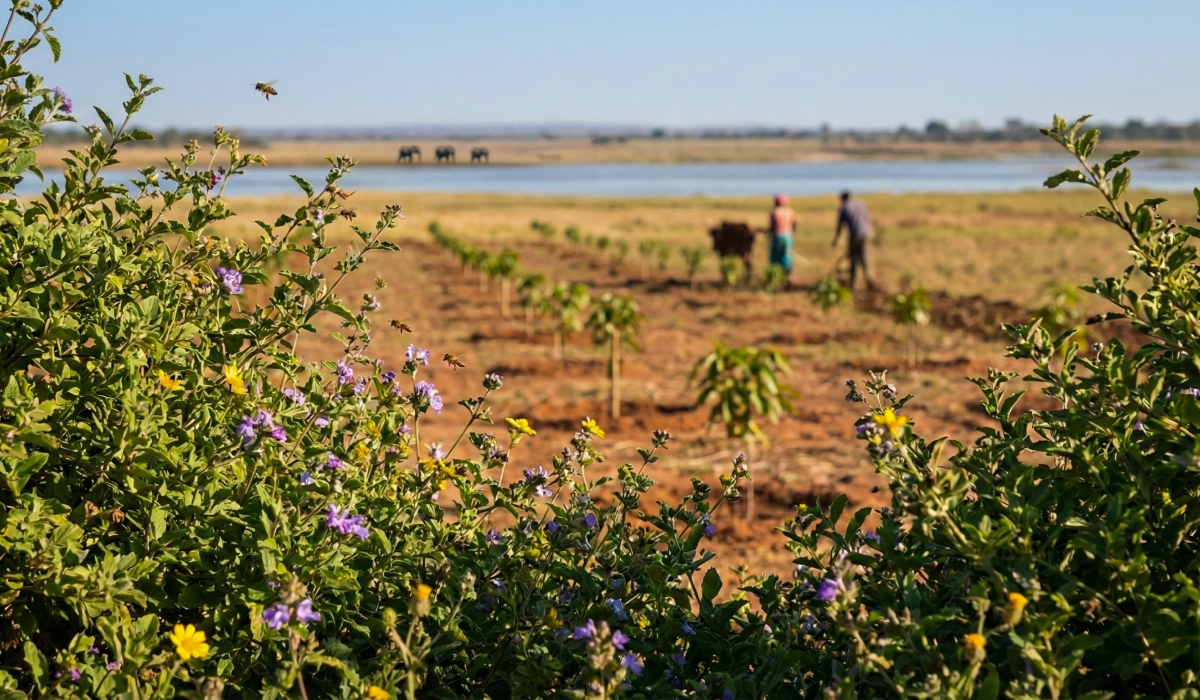
 A biodiverse African agroforestry landscape with wild nature in the background. AI generated picture.
Following a surge in corporate environmental commitments in 2021, market dynamics shifted sharply in 2022. Average prices for voluntary carbon credits rose from $4.04 per tonne of CO₂e in 2021 to $7.37 in 2022—an 82% increase and the highest average price recorded in 15 years. This rise occurred alongside a decline in overall trading volumes, as buyers became more selective about the types of credits they were willing to purchase. Despite fewer transactions, total market value remained close to $2 billion, underscoring continued demand for higher-priced, higher-quality credits.
That trend continued into 2023, when the market experienced a more pronounced contraction. Reported transaction volumes fell by 56% year on year, and total market value dropped to $723 million. Prices eased slightly, settling at an average of $6.53 per tonne, though the impact varied widely across project types. Forestry and land-use credits, including some REDD+ projects, saw particularly steep declines as buyers paused purchases while awaiting clearer integrity frameworks and updated methodologies.
At the same time, credits linked to projects with robust environmental and social attributes maintained demand. Buyers increasingly prioritised credits backed by strong verification, clear additionality, and co-benefits such as biodiversity protection, sustainable land use, and community support.
Read more: Who’s who in the carbon market: Key institutions and frameworks and what they do
In 2024, the VCM continued to contract in trading terms, with volumes falling by approximately 25% compared to the previous year. Prices declined only modestly, by around 5.5%. Most notably, credit retirements remained stable at just over 180 million tonnes of CO₂e, signalling that organisations continued to use carbon credits as part of their sustainability strategies even as trading activity slowed.
A widening price gap between credit types further illustrates the market’s direction. Credits representing actual carbon removals—whether nature-based or technological—commanded significantly higher premiums than avoidance credits, reflecting a growing emphasis on permanence and long-term outcomes.
In 2025, the voluntary carbon market has shown clear resilience, supported by steady demand and a growing premium for quality. Year-to-date retirements reached approximately 128.5 million credits, tracking close to record levels and underscoring continued use of carbon credits across sectors. While new issuances moderated during the year, pricing trends point firmly upward for high-integrity projects. Average spot prices for high-quality ARR credits rose to around $24 per tonne by September, up significantly from the start of the year, reflecting stronger buyer confidence in verified, durable removals.
Taken together, developments in 2025 point to a market that is consolidating rather than contracting. Quality is increasingly rewarded through both pricing and demand, registries are rebalancing as standards evolve, and voluntary markets are becoming more closely aligned with compliance frameworks. With retirements holding firm and trust in higher-quality projects continuing to build, the voluntary carbon market is ending the year in a more resilient and credible position—well placed to grow in relevance and scale as expectations for integrity continue to rise.
Read more: November sees strong nature-based carbon activity and new premium pricing signals
The trajectory of the voluntary carbon market points to a clear outcome: value is increasingly defined by integrity, durability, and measurable impact. As demand continues to concentrate around high-quality removals and nature-based solutions, expectations for transparency, environmental co-benefits, and long-term outcomes are rising across the market. Green Earth’s portfolio is aligned with this direction, focusing on verified projects that restore ecosystems, support local communities, and deliver the standards today’s buyers are actively seeking. With the market entering a more focused and selective phase, the opportunity now lies in engaging with solutions built for long-term relevance—making this the moment to move beyond observation and explore what high-integrity carbon solutions can deliver next.