
Net zero
Sustainability
Nature-based solutions
Case study
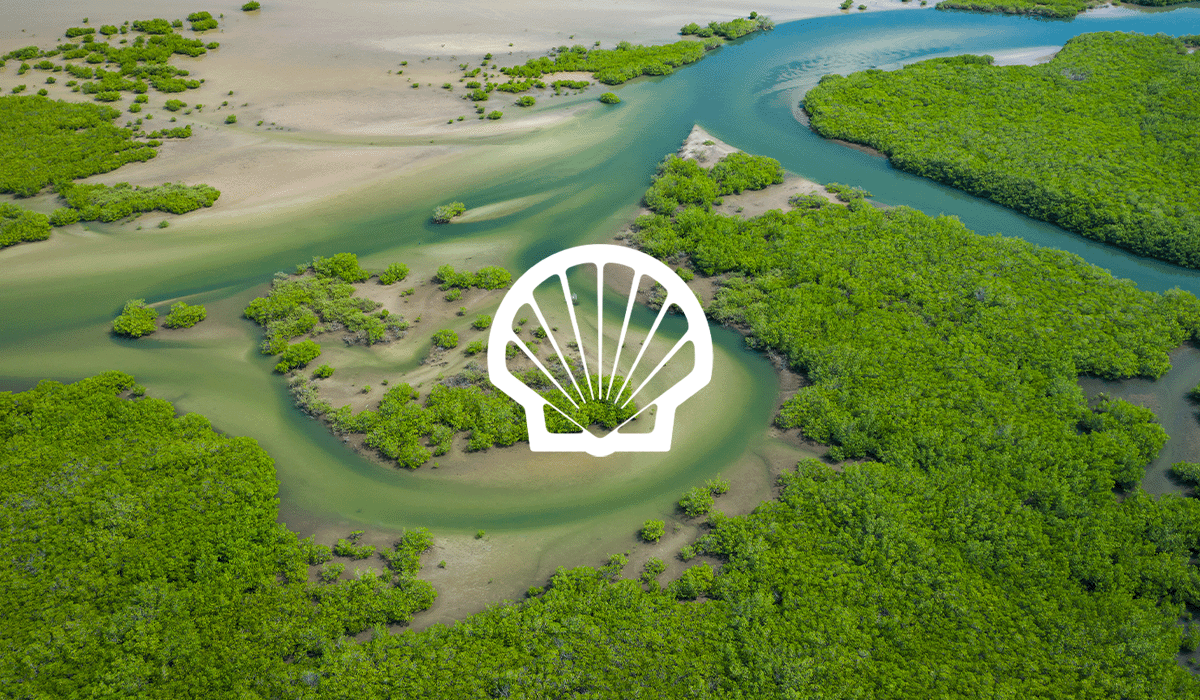
This case study explores Shell's proactive approach to achieving net-zero emissions, focusing on its tangible projects and initiatives that harness nature-based solutions. Shell buys and retires more carbon credits than any other company in the world. What it chooses to buy, and what it walks away from, moves the whole voluntary market. Over the past three years it has changed direction twice, and both changes are worth understanding if you are buying credits yourself.
Shell's commitment to net-zero emissions
Shell has set a clear target to become a net-zero emissions energy business by 2050 or sooner. This commitment encompasses reducing operational emissions, mitigating emissions from product usage, and investing in innovative solutions, including nature-based approaches, to drive sustainable energy practices. In 2025, Shell reported progress in having reduced its Scope 1 and 2 emissions by 70%. It aims to cut emissions from customer use of its oil products by 15–20% by 2030 against 2021, and to reduce the net carbon intensity of its energy products by the same range, of which 9% had been delivered by 2025. Its 2024 strategy dropped a previous 2035 interim target. Shell also invested $10-15 billion in low-carbon energy solutions between 2023 and the end of 2025.

Nature-based solutions: a key component of Shell's strategy
Shell recognises the pivotal role of nature-based solutions in their net-zero strategy. By leveraging these solutions, Shell will offset and remove greenhouse gas emissions while simultaneously contributing to environmental conservation and restoration. This approach allows Shell to balance their carbon budget effectively and foster a more sustainable energy transition.
Read more: Nature-based solutions vs carbon capture technology: Which is most effective?
Prominent nature-based-solution projects by Shell
1. Senegal mangrove regeneration project
Shell has made a direct investment in the Sine-Saloum project in Senegal, collaborating with WeForest to restore approximately 4,775 hectares of mangroves. This initiative represents the world's largest planned mangrove restoration project. The restored mangroves will serve as a sustainable habitat for diverse bird and fish species, as well as nesting grounds for endangered species like sea turtles, the Atlantic humpback dolphin, and the African manatee. In 2021, an environmental-DNA study was conducted to establish a biodiversity baseline, facilitating future monitoring of biodiversity improvements. This project is expected to generate approximately 1.7 million credits by sequestering carbon dioxide emissions as the mangroves grow. This project helps preserve critical habitats, mitigate deforestation, and enhance carbon sinks.
Read more: Indigenous and local knowledge in carbon projects: why it defines credit quality
2. Sustainable farming in Zambia
Shell has provided direct investment in a project led by COMACO, a social enterprise dedicated to training small-scale farmers in sustainable agricultural practices in Zambia. As the project expands into new areas and involves more farmers, Shell's investment supports initiatives such as tree planting, establishing community conservation areas, and promoting sustainable farming practices. These efforts aim to enhance income levels, boost food security, and reduce greenhouse gas emissions within farming communities. The project is also working with independent standards bodies to certify carbon reductions and removals, with the goal of generating carbon credits in the future.
3. Carbon farming in Australia
Following its acquisition of Select Carbon in 2020, Shell has invested in developing and aggregating carbon farming projects in Australia. Select Carbon collaborates with landholders nationwide to implement projects that enhance carbon sequestration in vegetation and soil, thereby reducing net carbon emissions. These initiatives not only contribute to climate change mitigation but also promote sustainable land management practices and assist landowners in diversifying their income sources for enhanced resilience. The projects cover an extensive area of over 9 million hectares and adhere to methodologies approved by the Clean Energy Regulator, enabling Australian farmers and landowners to generate Australian Carbon Credit Units (ACCUs) through land-based carbon projects.

Collaboration and partnerships
Shell understands the necessity of collaboration and partnerships to achieve impactful results. It actively engages with governments, NGOs, and local communities to develop and implement nature-based-solution projects. By working together with these partners, Shell fosters knowledge sharing, innovation, and the scaling up of successful initiatives.
Read more: Industries with the biggest nature footprints and what their decarbonisation looks like
Tracking progress and transparency
Shell is committed to transparency in tracking and reporting progress towards its net-zero targets. Its sustainability reports provide detailed information on its emissions reductions, nature-based-solution projects, and collaborative efforts. This commitment to accountability ensures stakeholders can assess Shell's progress and hold it accountable for its sustainability commitments.
Nature-based solutions as the way forward to net zero
Shell's journey towards achieving net-zero emissions relies on a comprehensive strategy that integrates nature-based solutions into its operations. Through projects focused on forest protection, blue carbon, and grassland conservation, Shell actively contributes to carbon sequestration, biodiversity preservation, and sustainable land management. By prioritising collaboration and transparency, Shell demonstrates its commitment to driving positive environmental outcomes and accelerating the global transition to a low-carbon future.
Partnering with Green Earth allows organisations to effectively offset their carbon emissions through nature-based solutions. By leveraging top-tier carbon and biodiversity credits, businesses can achieve significant carbon reductions while promoting the wellbeing of nature and local communities. Together, we pave the way for a sustainable future, balancing environmental and social benefits.