Coca-Cola Spain has integrated robust sustainability into its core operations by partnering with Green Earth to neutralise the operational emissions of its ‘Hospitality for the Climate’ programme in Spain. Building on years of re-engineering its global footprint, from rethinking plastic lifecycles to replenishing watersheds, the beverage giant is systematically addressing its environmental impact across a highly complex supply chain.
 Coca-Cola and Green Earth partner to offset hospitality emissions. AI generated picture.
Through this partnership, Coca-Cola not only compensates for the footprint of participating bars and restaurants but also demonstrates its ongoing commitment to environmental accountability and guiding the wider hospitality sector towards a net-zero future. To understand the importance of this new partnership, let’s first examine the historical sustainability framework Coca-Cola has built over the last decade, and how their historical use of carbon credits has evolved into the action they are taking today.
The evolution of a beverage giant’s corporate strategy
Transforming a supply chain that reaches virtually every country on the planet requires rigorous, science-based targets. Coca-Cola recognised early on that vague promises would not satisfy stakeholders, investors, or their customers. Consequently, the company aligned its corporate goals with global frameworks designed to combat environmental instability.
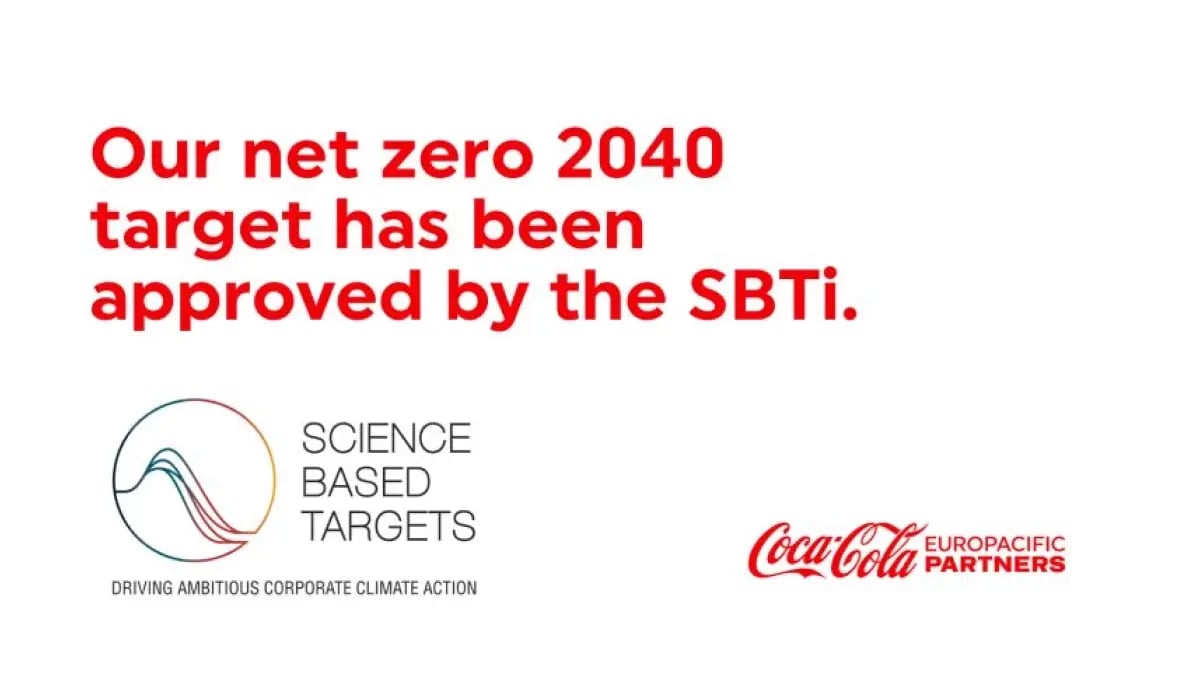 Coca-Cola's target to reach net zero by 2040.
The cornerstone of this strategy is their ambition to achieve net-zero greenhouse gas emissions across their entire value chain. Within European operations, Coca-Cola Europacific Partners (CCEP) established an ambitious target to reach net zero by 2040. To ensure they remain on track, the company established a crucial interim milestone: to reduce absolute Scope 1, 2, and 3 greenhouse gas emissions by 30% by 2030, measured against a 2019 baseline.
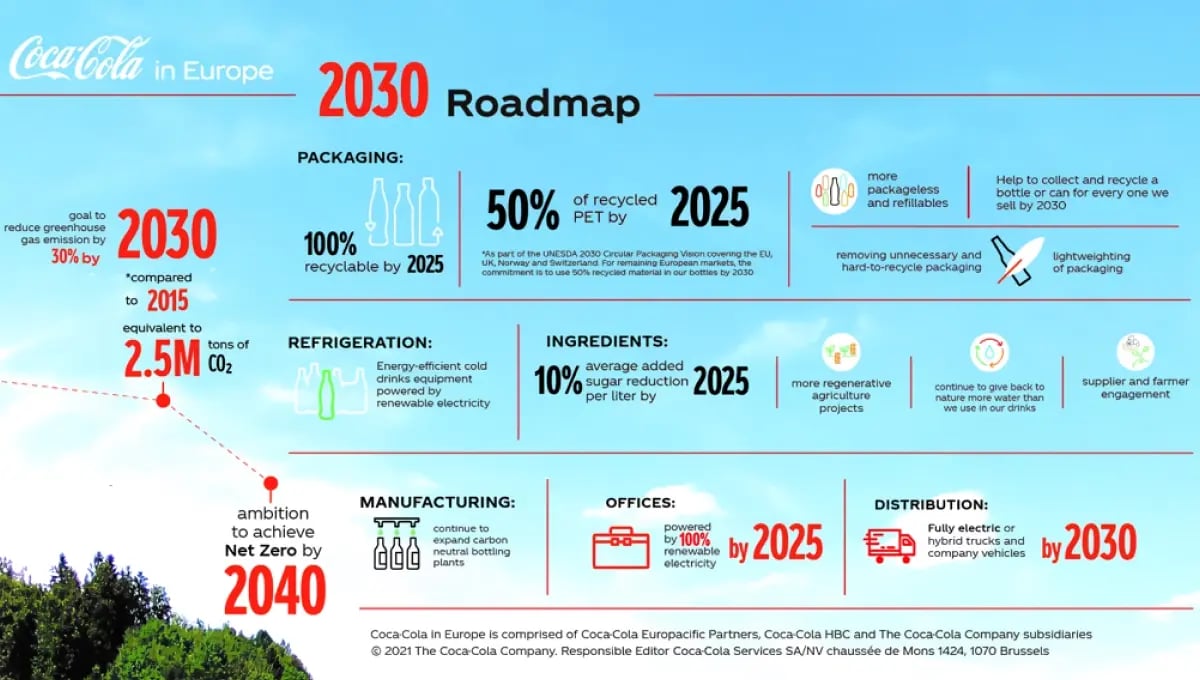 Coca-Cola's strategy 2030 roadmap.
Achieving an absolute reduction is notoriously difficult for a growing global enterprise. It means that even as the company produces and sells more beverages, its total carbon output must physically shrink. This requires a systemic overhaul of how they source ingredients, manufacture drinks, package products, and transport them to the end consumer.
Read more: The importance of carbon offsetting in achieving net zero
A world without waste: rethinking packaging
Packaging is one of the most visible aspects of Coca-Cola’s environmental footprint, and it represents a massive portion of their Scope 3 emissions. In 2018, the company launched its ‘World Without Waste’ initiative. This is a sweeping global programme designed to tackle the plastic pollution crisis head-on and drive the transition towards a circular economy.
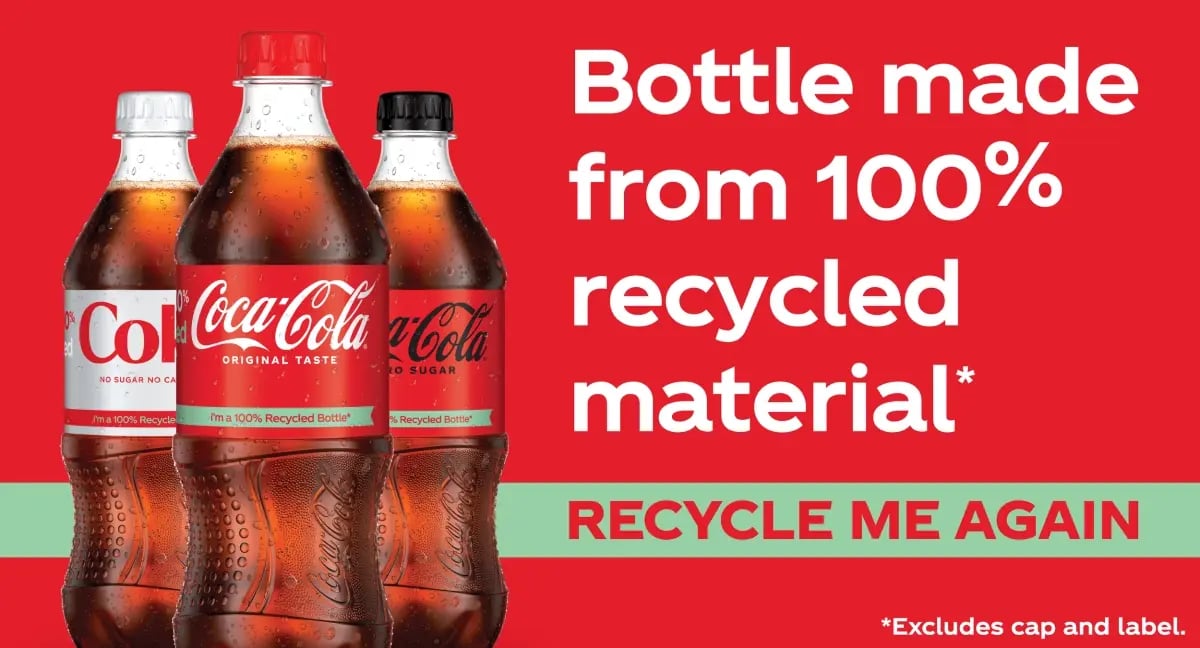 Coca-Cola’s 100% recyclable bottles.
The goals of this initiative are definitive and measurable. The company aims to make 100% of its packaging recyclable globally by 2025. Furthermore, they have committed to using at least 50% recycled material in their packaging by 2030, alongside a pledge to collect and recycle a bottle or can for every single one they sell by that same year.
Read more: The ultimate guide to plastic credits
This is not merely a waste management strategy; it is a fundamental carbon reduction strategy. Producing recycled PET (rPET) uses significantly less energy and generates a fraction of the carbon emissions compared to manufacturing virgin plastic. By actively funding recycling infrastructure, redesigning bottles to be lighter, and transitioning entire product lines to 100% rPET in various European and global markets, Coca-Cola is physically engineering carbon out of its supply chain.
Water stewardship: returning every drop to nature
You cannot manufacture a beverage without water. Recognising that water scarcity is one of the most severe threats posed by environmental instability, Coca-Cola set a pioneering goal in 2007 to become water neutral. The objective was to safely return an amount of water equal to what they use in their finished beverages and their production back to communities and nature.
Remarkably, the company achieved this goal in 2015, a full five years ahead of schedule. They reached this milestone through a combination of rigorous efficiency improvements within their bottling plants and massive external investments in watershed restoration projects.
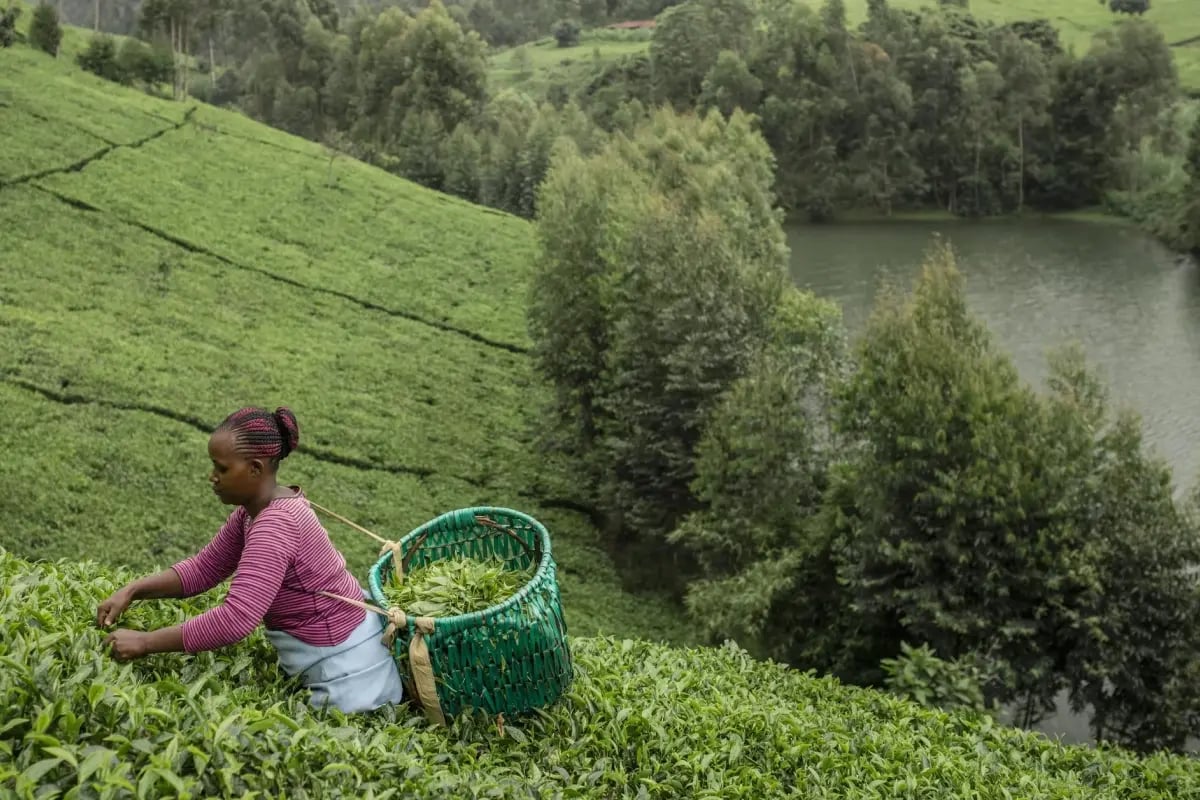 Community Water Stewardship in action - one of the hundreds of community water projects funded by Coca-Cola worldwide. Source: Coca-Cola
Coca-Cola funds hundreds of community water projects worldwide. These initiatives range from reforesting degraded catchments and restoring natural wetlands to implementing advanced agricultural irrigation techniques that drastically reduce local water usage. By protecting these vital ecosystems, the company also protects the local biodiversity and the natural carbon sinks that these habitats provide, proving that water stewardship and carbon reduction are deeply interconnected.
Read more: Bar Company: the sustainable caterer committed to environmental and social impact
Sustainable agriculture and shared regenerative values
The agricultural ingredients that flavour and sweeten Coca-Cola products represent another massive segment of the company’s environmental footprint. Ensuring that ingredients like sugarcane, coffee, tea, and fruit juices are farmed sustainably is paramount to their overall targets.
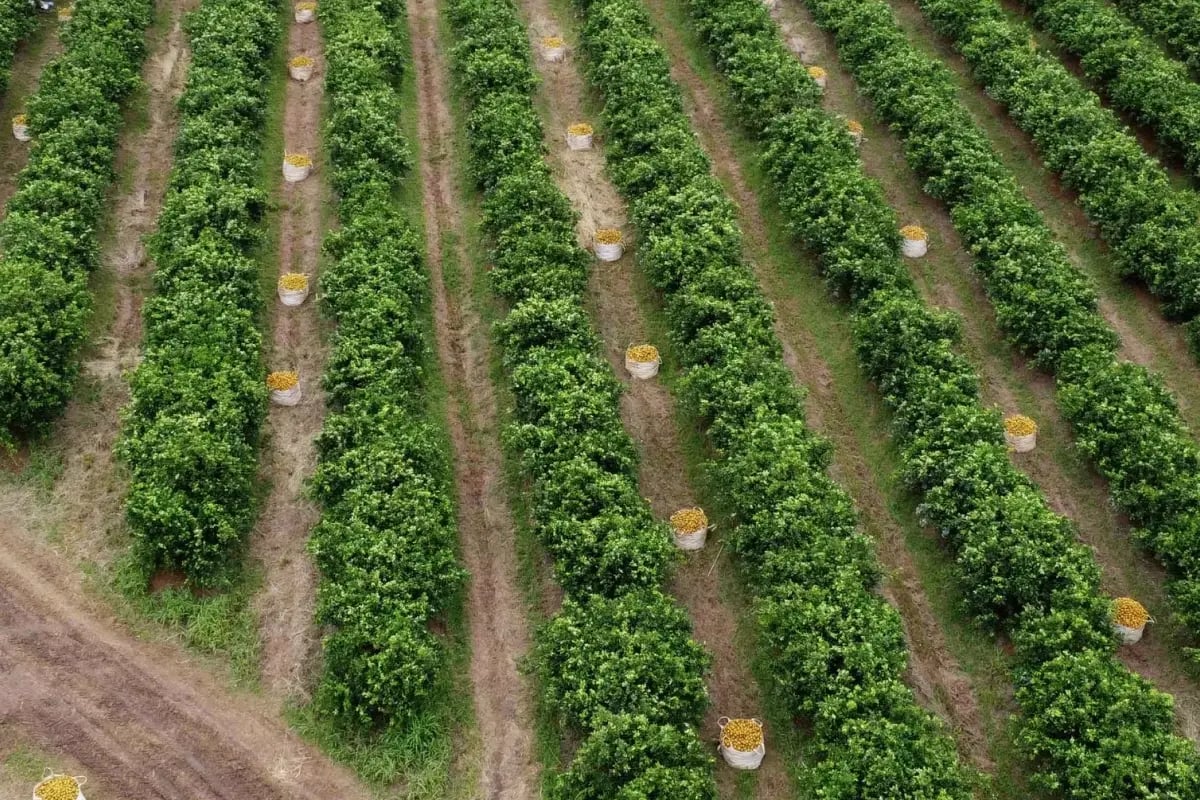 Active harvest in a fruit orchard, highlighting the vital source of ingredients for many of Coca-Cola beverages. Source: Coca-Cola
The company established its Principles for Sustainable Agriculture to guide its global suppliers. These principles demand strict adherence to practices that protect soil health, preserve natural habitats, and ensure fair labour conditions for farmers. Healthy soil is one of the planet's most effective carbon sinks, meaning that how a crop is grown directly impacts the amount of carbon held in the ground versus released into the atmosphere.
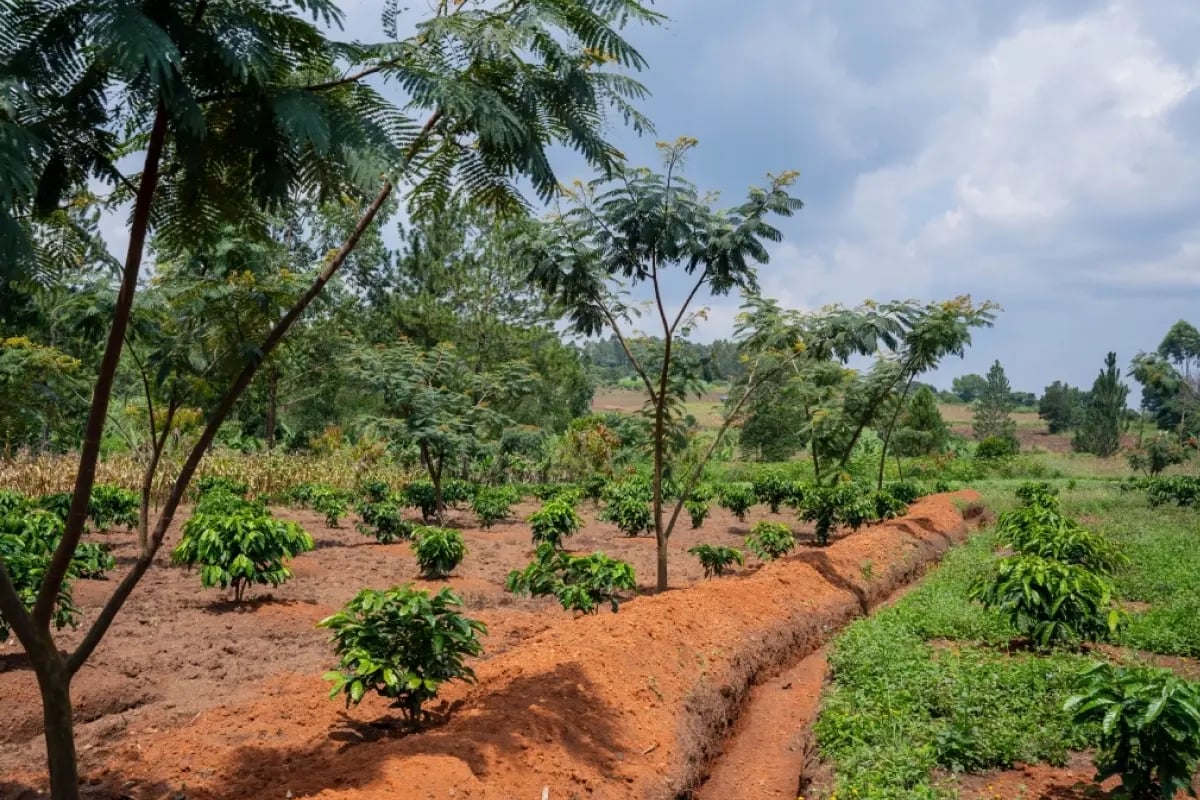 Regenerative agriculture landscape. Bulindi Agroforestry and Chimpanzee Conservation Project, Green Earth. Source: Green Earth
This exact focus on restoring soil health and biodiversity aligns perfectly with Green Earth’s own regenerative agriculture approach. In our nature-based projects, we implement similar agroforestry techniques that naturally enrich the soil without the use of synthetic chemicals. By promoting regenerative agricultural practices among its suppliers, Coca-Cola is actively working to reduce the carbon intensity of its raw materials, sharing the same environmental philosophy that Green Earth applies to land restoration.
A history of verified environmental compensation
While deep, structural reductions in emissions are the primary focus of Coca-Cola's strategy, completely eliminating all greenhouse gases from a complex global supply chain is currently technologically impossible. There will always be hard-to-abate emissions tied to logistics, heavy transport, and third-party operations.
To bridge the gap between aggressive reduction efforts and the ultimate goal of net zero, Coca-Cola has a well-documented history of utilising high-integrity carbon credits and has cut value chain emissions nearly 19% since 2019, supported by carbon credit use.
According to their 2025 Sustainability Report, CCEP purchased approximately 100,000 tCO2e of carbon credits, which they have retired annually between 2023 and 2025. In 2025, they retired 11,011 tCO2e of carbon credits from the Verra VCS-certified Rimba Raya Biodiversity Reserve Project in Indonesia.
CCEP has historically supported a diverse portfolio of carbon projects to achieve these certifications. Their investments have funded major forestry protection initiatives in regions like Colombia and Brazil, ensuring that critical rainforests remain standing to absorb atmospheric carbon. Furthermore, they have heavily supported community-based initiatives, such as the distribution of clean cookstoves in Africa, which drastically reduce local deforestation and lower indoor air pollution.
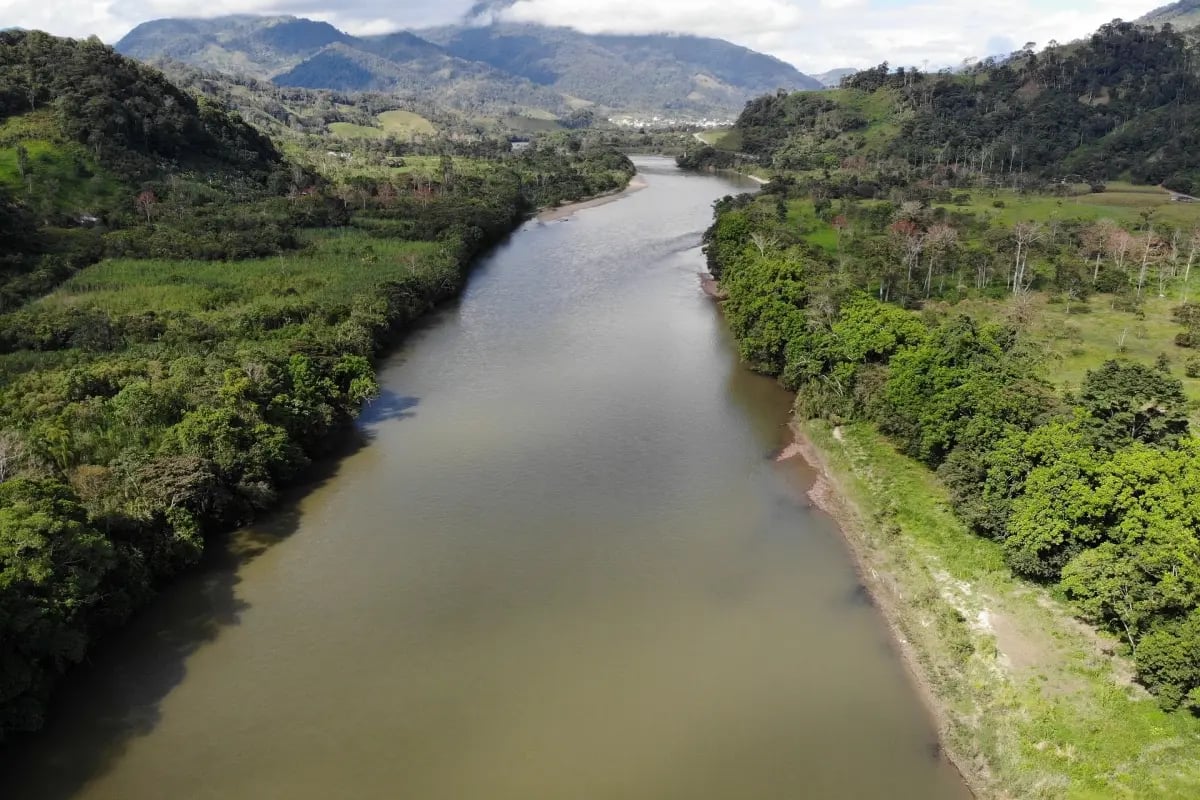 The Envira Amazonia Project initiative in Brazil that Coca-Cola supports protects over 200,000 hectares of tropical rainforest from deforestation.
Through these initiatives, Coca-Cola has demonstrated a long-term financial commitment to global nature-based solutions and renewable energy projects. This historical precedent proves that the company understands the vital role of financing external environmental projects to balance the scales of their operational footprint.
Read more: Beyond tonnes: How carbon credit co-benefits elevate value
The challenge of the hospitality sector
The true test of a corporate sustainability strategy is how a company handles its Scope 3 emissions. These are the emissions that occur outside of a company's direct control, residing deep within their wider value chain. For Coca-Cola, a massive portion of this value chain consists of the global hospitality sector.
Bars, cafes, hotels, and restaurants are the primary venues where consumers interact with Coca-Cola products. However, the hospitality industry is highly energy-intensive. Refrigeration, commercial cooking, heating, lighting, and food waste all contribute to a significant carbon footprint. Furthermore, the sector is largely composed of small to medium-sized enterprises (SMEs) that often face severe time and budget constraints, making it incredibly difficult for them to implement comprehensive sustainability strategies on their own.
If Coca-Cola is to reach its ultimate net-zero ambitions, it cannot ignore the venues that serve its beverages. It must actively empower the hospitality sector to join the transition and build resilience against environmental instability.
Read more: CSRD for SME Suppliers: How to turn data requests into a competitive advantage
Empowering change: The hospitality for the climate programme
To address this challenge directly, Coca-Cola Spain co-created with the ECODES Foundation the ‘Hospitality for the Climate’ programme (known locally in Spain as Hostelería #PorElClima), working alongside an expert executive secretariat to provide a structured path forward for the industry.
 Hostelería #PorElClima.
This initiative is not a passive awareness campaign. It is a highly practical, active community designed to give bars and restaurants the exact tools they need to reduce their greenhouse gas emissions. The platform provides participating venues with carbon calculators, energy efficiency audits, and actionable guidelines on how to minimise waste and transition to renewable energy sources.
The goal of the programme is clear: to mobilise the hospitality sector and prove that these businesses have the capacity to reduce their emissions considerably. By doing so, they are making a vital, collective contribution to the global objective of reaching net zero before 2050.
Read more: How to use Green Earth's carbon footprint calculator on your journey to net zero
Green Earth & Coca-Cola: a partnership for verified impact
While the ‘Hospitality for the Climate’ programme successfully drives deep emissions reductions across participating venues, running a nationwide initiative inherently generates its own operational footprint. From logistics and digital infrastructure to event management and outreach, these unavoidable emissions must be addressed to maintain the environmental integrity of the campaign.
This is where Green Earth stepped in. We are incredibly proud to announce that Coca-Cola Spain officially partnered with Green Earth to solve this exact challenge.
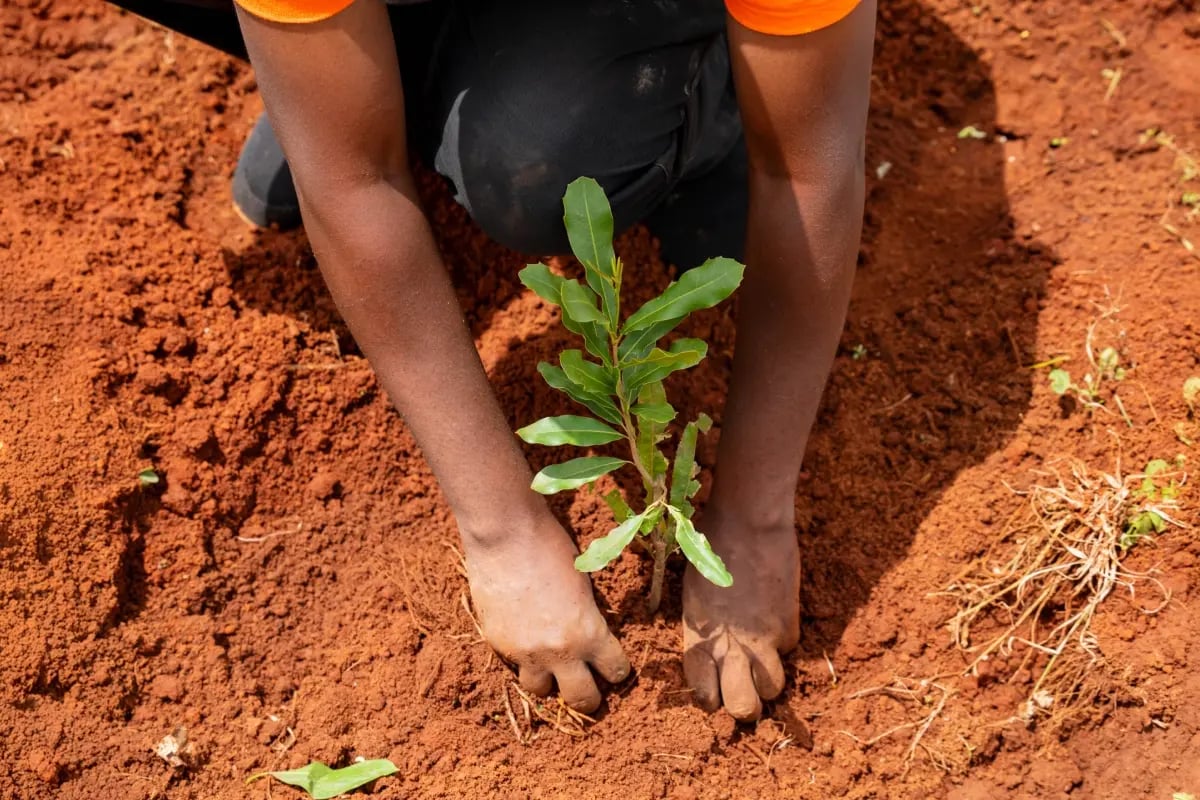 Green Earth team member planting a tree seedling. Mount Kenya Regenerative Agroforestry Project, Green Earth.
Coca-Cola contracted us to facilitate the high-integrity offsetting required to neutralise the campaign's footprint. Relying on our expertise in the carbon market, we successfully managed the sourcing and retirement of verified emission reductions from a project focused on providing sustainable, clean water access in rural, underserved communities.
Crucially, Coca-Cola Spain bore the costs of these verified credits in full, ensuring that it was not passed down to the local bars and restaurants participating in the programme. By absorbing the cost of compensation, Coca-Cola demonstrated exceptional corporate responsibility, allowing the hospitality venues to focus their resources entirely on reducing their own physical emissions.
Take action on your own emissions
Coca-Cola's comprehensive approach proves that sustainability is a multifaceted discipline. It requires internal innovation, supply chain transformation, and a commitment to compensating for unavoidable impacts through verified nature-based solutions.
We are incredibly proud to facilitate carbon compensation for global leaders like Coca-Cola. However, you do not need to be a multinational corporation to take accountability for your environmental impact.
At Green Earth, we do this for businesses of all sizes, including many SMEs that are measuring their footprint or taking definitive action on their emissions. We provide transparent access to verified, high-integrity nature-based solutions that align with your specific goals.
Whether you are managing a complex global supply chain or simply looking to neutralise the emissions of a growing local enterprise, we are here to help. Explore our verified projects today and discover how easily your business can begin compensating for its carbon footprint.